Building a Custom Home in Harlingen, TX: What Homebuyers Need to Know
Harlingen is one of the most attractive places in the Rio Grande Valley to build a custom home thanks to its affordability, convenient location, and strong South Texas appeal. But before breaking ground, it’s important to understand the local conditions that can affect your project. Factors such as rainfall, drainage, soil, and the characteristics of your lot can all influence how you plan and build your home. Understanding these details early can help you avoid unexpected costs, delays, and frustration later.
At Villa Homes, we focus on what matters most to you—and that starts with helping you understand what it takes to build a home in Harlingen. We’ve built homes for sale in Harlingen and throughout the greater Rio Grande Valley, from our own communities like Water’s Edge and Springwood Manor to custom homes built on land our clients already own. Here’s what every future Harlingen homeowner should know before getting started.
Before You Buy Land: A Quick Note on Subdivided Lots
If you already own land, especially a parcel split off a larger family tract, it’s worth double-checking that it’s been through Harlingen’s formal subdivision process before you build. The city won’t issue a building permit on a lot that hasn’t been properly subdivided, so it’s smart to verify status with the Planning & Development Department early. If you’re building in an established, already-platted community, this generally isn’t something you need to worry about.
The Ground Beneath Your Home Matters

South Texas soil is not forgiving. The Rio Grande Valley sits on highly expansive clay soil that swells when it rains and shrinks as it dries out. This constant movement is one of the leading causes of foundation problems in the region.
Post-tension slabs are the regional standard for handling this kind of soil movement, since they’re engineered to flex under pressure. However, to build securely, you should also consider taking other steps, such as creating proper drainage away from the foundation, thoughtfully situating gutters, and keeping soil moisture consistent around the home. A local builder like Villa Homes can walk you through how your lot’s soil conditions apply to your specific build.
Harlingen’s Drainage Standards Have Gotten Stricter
After a history of flooding in the Rio Grande Valley, the City of Harlingen has updated its drainage standards for new subdivisions. These standards now require larger detention capacity and storm sewer systems designed for bigger storms.
This could mean a couple of things for you: if your lot is in a flood-prone area, the city may require your finished floor elevation to sit above the surrounding flood water surface elevation. And that could mean that your site prep could involve more fill dirt and a higher slab than you’d expect elsewhere.
Exact requirements can vary by lot and location, so it’s worth confirming the specifics for your property with the city’s Planning & Development Department or Public Works Department.
Designing for South Texas Heat and Humidity
Building in Harlingen means designing for a climate that is often unrelentingly hot and humid. A few things that matter more here than almost anywhere else in Texas:
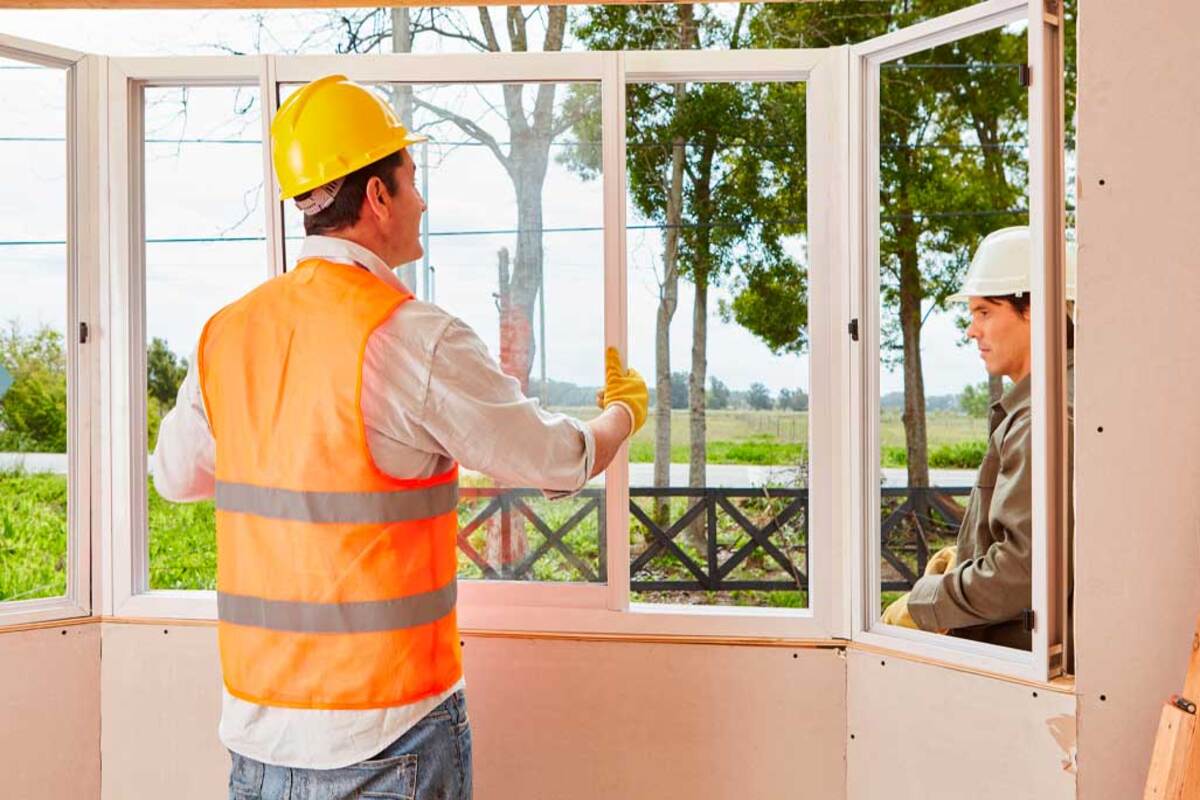
Window orientation. The west-facing side of a home takes the full force of the afternoon sun. Homes designed with fewer large west-facing windows, or with covered porches, overhangs, and strategic landscaping to shade that side of the house, stay noticeably cooler and cost less to run.
HVAC sizing. An oversized air conditioning system is a common mistake in new RGV construction. A unit that is too large cools the house quickly but doesn’t run long enough to pull humidity out of the air, which can leave a home feeling clammy and create conditions for mold.
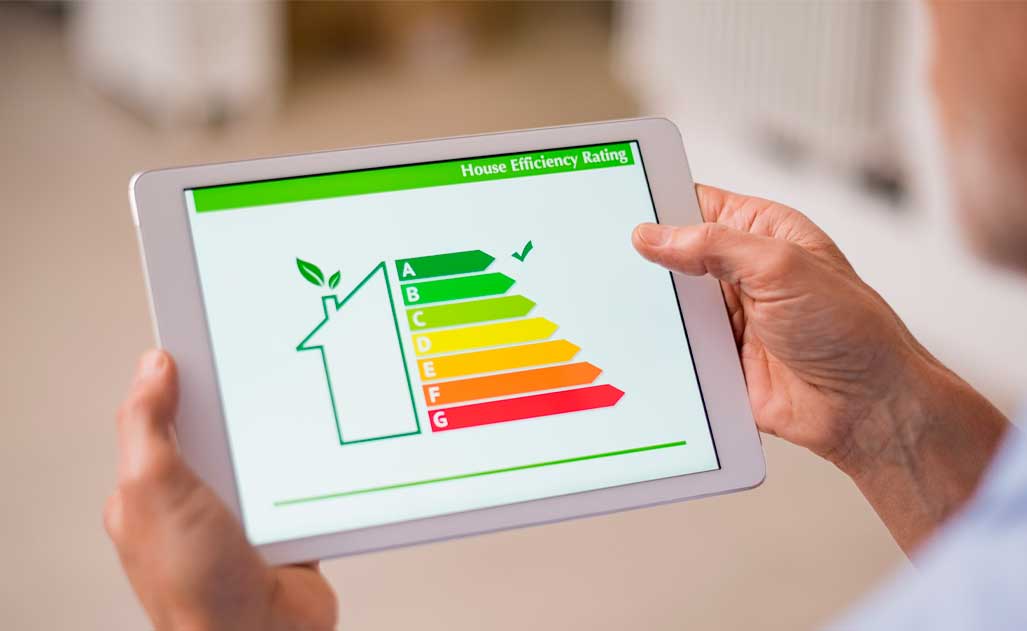
Villa Homes’ Harlingen homes are built with energy-efficient construction designed to deliver lasting comfort and help keep utility costs down, and every Villa home is backed by a 2-10 Home Buyers Warranty that covers major systems like your HVAC.
Termite pre-treatment. Texas law requires termite pre-treatment for new residential construction. This treatment must be applied to the soil before the concrete slab is poured. This practice creates a protective barrier. Keep the pre-treatment certificate on hand at closing, since your lender may ask for it.
Not All Builders Are Vetted the Same Way
Here’s something that surprises a lot of buyers: Texas doesn’t require general contractors or custom home builders to hold a state license. Technically, anyone can call themselves a custom home builder and start taking deposits.
That makes vetting your builder an important part of the process. For example, look for proof of general liability insurance, look at homes the builder has completed, and talk to past clients. Membership in the Rio Grande Valley Builders Association (RGVBA) or the Texas Association of Builders (TAB) is another good indicator of a builder who takes their standing in the industry seriously.
Don’t just take a builder’s word for it: see the homes they’ve actually built and hear from the families who have built with them before you commit to anything.
Know Your Deed Restrictions Before You Fall in Love with a Lot
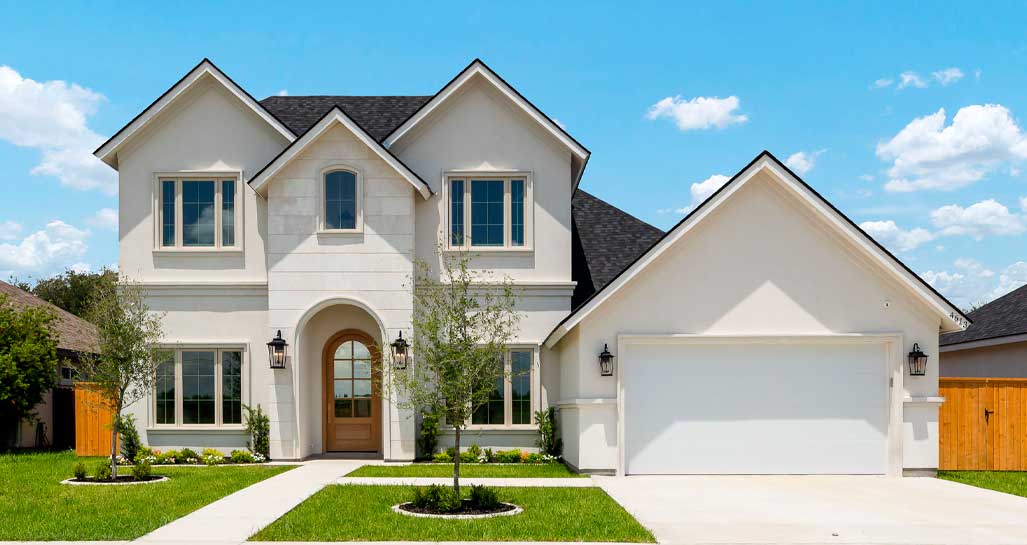
If you’re considering a lot in one of Harlingen’s newer subdivisions, there’s a good chance it comes with Homeowners Association rules or recorded deed restrictions that shape what you can build. These restrictions may affect things such as minimum home square footage, required masonry percentages, and limits on outbuildings, fencing, or RV parking. Deed restrictions run with the land and apply to every future owner, and they can be more restrictive than city zoning. It’s worth reviewing the CC&Rs (Covenants, Conditions, and Restrictions) before you commit to a lot, so there are no surprises after closing.
Harlingen Custom Home Checklist: The Quick-Reference Guide
| Factor | What to Know | Why It Matters |
|---|---|---|
| Land & subdivision | If you own or are buying a parcel split off a larger tract, verify it’s been through Harlingen’s formal subdivision process. | The city won’t issue a permit on an improperly subdivided lot. |
| Soil & foundation | The RGV sits on expansive clay soil; post-tension slabs are the regional standard for handling that movement. | Protects your investment against long-term foundation issues. |
| Drainage | Harlingen has updated its drainage standards for new subdivisions, requiring larger detention and storm sewer capacity. | Affects site prep costs and flood protection for your lot. |
| Climate design | Window orientation, correctly sized HVAC, and termite pre-treatment all matter more here than in most of Texas. | Impacts comfort, utility bills, and long-term protection. |
| Builder vetting | Texas doesn’t license builders — check insurance, completed homes, and association membership (RGVBA, TAB). | Not all builders are held to the same standard. |
| Deed restrictions | Review CC&Rs before committing to a lot in a newer subdivision. | Restrictions can limit square footage, materials, and design choices. |
Building in Harlingen, Done Right
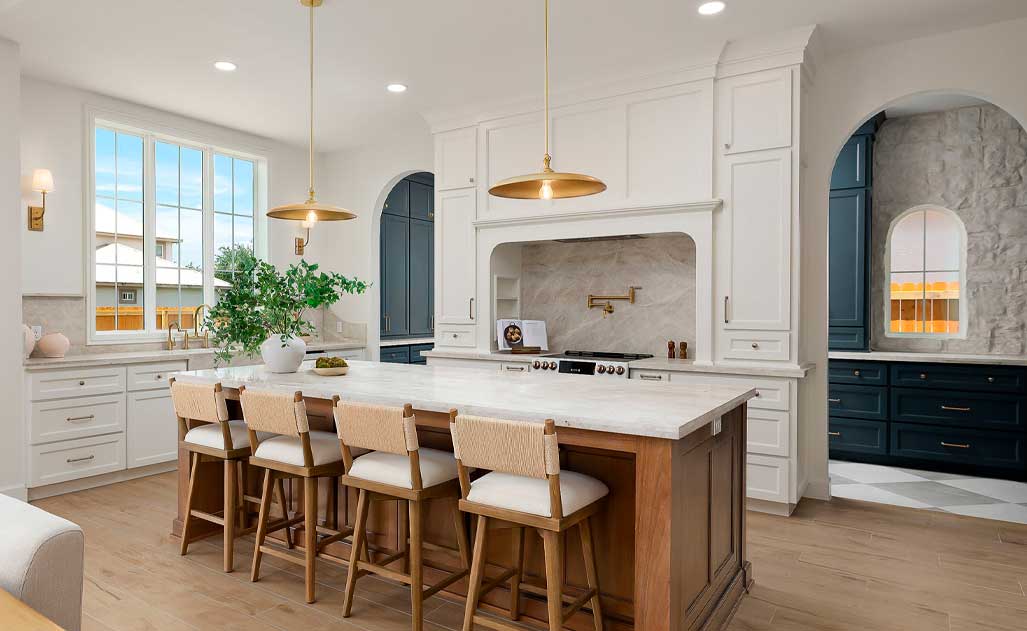
Building a custom home in Harlingen comes with region-specific factors you won’t find in a generic homebuilding guide, from drainage requirements to deed restrictions to the realities of South Texas soil. Working with a builder who’s familiar with these local conditions and who keeps you informed every step of the way makes all the difference between a stressful build and one you enjoy.
At Villa Homes, our goal is to help you raise your expectations of what building in the Rio Grande Valley can look like. Whether you’re drawn to one of our Harlingen communities or bringing your own lot to build on, explore our Harlingen homes for sale or get in touch to start the conversation.